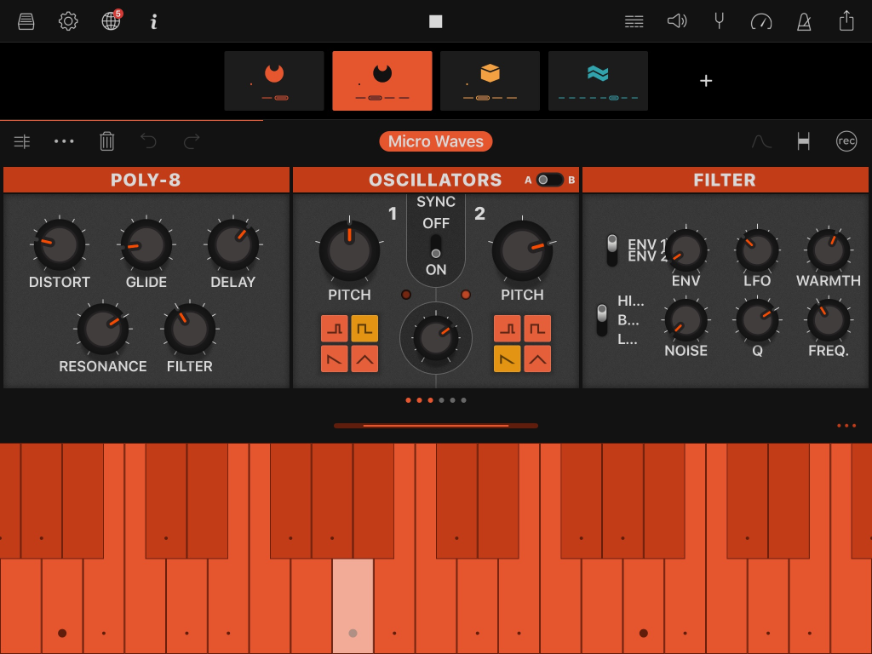
Let’s explore various techniques to boost musical creativity and deepen your understanding of music theory. Enjoy these methods for enhancing your musical journey.
Exploring Fake Books and Online Resources
One of the primary tips is to use fake books or online sheet music resources like Ultimate Guitar or Sheet Music Direct. These sources offer a vast collection of songs and chord progressions that can spark new ideas and learning opportunities.
Delve Deeper into the creative process of your own genius mind.
This ebook will guide you to journey through your own being.
Learn to let your super conscious creativity blossom.
Using Fake Books
Fake books typically contain thousands of songs, each with its chord progressions and sometimes melody lines. Flipping through these books can help you find interesting progressions to work with, regardless of whether you’re familiar with the songs. This practice not only introduces you to new music but also enhances your ability to recognize and understand different chord structures.
Online Resources
Websites like Ultimate Guitar and Sheet Music Direct provide access to countless chord charts and sheet music. These platforms are invaluable for finding inspiration and expanding your repertoire. Simply browsing through various songs can offer fresh perspectives and ideas for your compositions.
Writing Down Chords
Another effective technique is to write down the chords of a song you’re studying. This practice can be done on staff paper or any other medium that allows you to see the chords clearly. Writing down the chords helps in several ways:
– Visual Reference : Having the chords written out in large print makes them easy to see and reference while playing.
– Learning Aid : The act of writing helps reinforce your memory and understanding of the chords.
– Creative Experimentation : Once the chords are written down, you can experiment with them by rearranging or substituting different chords to see how they sound.
Circle of Infinite Imagination

Inspired by the circle of fifths, the circle of infinite imagination is a tool to visualize which chords are inside or outside a key. In this system:
– Rainbow Colors : Represent chords that are harmoniously within the key.
– Black Notes : Indicate chords that are outside the key, adding a “spicy” element to the music.
For example, if you’re working in the key of C, the circle helps you see which chords fit naturally within that key and which ones might introduce interesting variations. This visualization aids in understanding the harmonic relationships between chords and how they can be used creatively.
Analyzing Chord Progressions
Analyzing the chord progressions of a song provides valuable insights into music theory. By breaking down a progression, you can learn:
– Chord Functions : How each chord functions within the key and its relationship to other chords.
– Harmonic Movement : The way chords move from one to another and how this affects the overall feel of the music.
– Theory Application : Practical application of theoretical concepts, making it easier to understand and remember them.
Using Digital Tools and Apps
Digital audio workstations (DAWs) like Logic Pro are powerful tools for experimenting with chord progressions. By programming chords into the software, you can:
– Experiment with Sounds : Hear how different chords sound in various arrangements.
– Use Session Musicians : Utilize built-in session musicians to simulate a full band experience, enhancing the richness of your compositions.
– Manage Resources : Be mindful of memory usage, especially on devices with limited resources, to ensure smooth operation.
Example in Logic Pro
Here’s a demonstration of programming a series of chords into Logic Pro, allowing experimentation with different sounds and progressions. This hands-on approach provides immediate feedback and helps refine your creative ideas.
Creative Rearrangement and Originality
The goal of these exercises is to create original music. By rearranging chord progressions and making substitutions, you can develop unique compositions that reflect your personal style. This process involves:
– Rearranging Chords : Experimenting with different chord orders to see how they affect the music’s feel.
– Substituting Chords : Trying out different chords in place of the original ones to create new harmonic textures.
– Creating Melodies and Lyrics : Once you have a satisfactory chord progression, you can focus on crafting original melodies and lyrics to complete your song.
Get Creative
Boosting musical creativity and understanding music theory involves a combination of exploring resources, visualizing chord relationships, analyzing progressions, using digital tools, and experimenting with original ideas. By regularly engaging in these practices, you can enhance your musical skills and create unique, original compositions.
So explore some chord progressions with your source of choice to create something new and unique. Many songs are based on chord progressions used in other songs. There are countless ways to recycle and up-cycle chords. No need to re-invent the wheel.