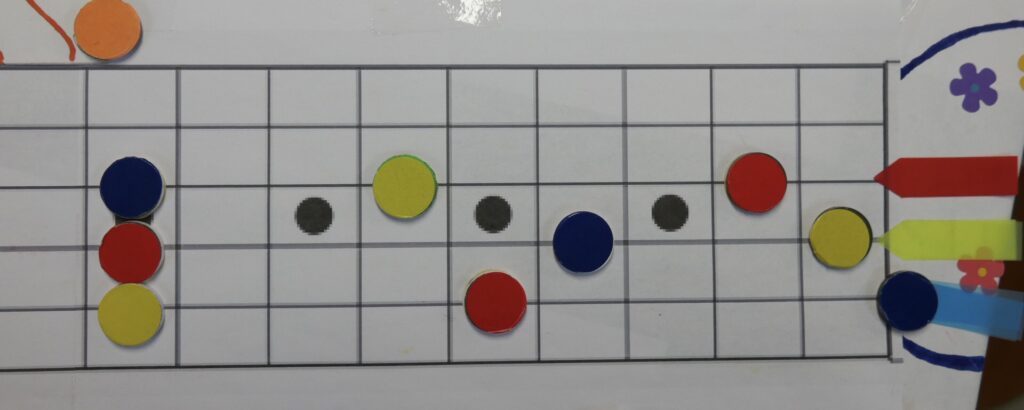
Let’s embark on a colorful chord adventure together! Picture yourself effortlessly dancing between keys, like a musical magician weaving harmony with your fingertips. We’ll explore the rainbow spectrum of chords, sprinkling in some black notes for extra flavor.
Here is the quick and easy way to add endless variety to your music with these advanced chords. This video shows you how to play ALL of the chord types listed below, with just 3 right hand patterns and ONE left had position. Just follow the circle to cover every key tonality! The letters around the circle are based on the circle of 5ths.
Here is a list of chord types you can play just by learning the 3 right hand patterns and how to seamlessly move your fingers between them on the piano keyboard.
We call these advanced chords, sometimes they are called extended chords.
M7 – Major 7th
m7 – minor 7th
7 – Dominant 7th
m7b5 – minor 7 flat 5
Sus2, sus4
9th – Dominant 9th
Add 9
M9 – Major 9th
6th
69
11th – Dominant 11
M11 – Major 11
m11 – minor 11
Add 11
b6
b9
The easy way to add a heap of advanced chords to your skillset.
It’s like a Matrix download from NEO himself.
Dive into the magical world of sus4, lydian, minor 7th, major 7th, diminished, and more. Understand the relationships between notes and chords, embracing the creative freedom to experiment with different combinations. Let your left hand roam freely, intertwining with patterns one, two, or three.
It might take a little practice to master these patterns, they are actually quite simple. A few days of practice can massively upgrade your musical creativity.
Embrace the journey of discovery as you master these chords, unlocking the potential to apply them in your musical endeavors. With practice and patience, you’ll effortlessly navigate the complexities of chords, creating harmonious melodies that captivate listeners.. It’s like unlocking secret doors to musical realms you never knew existed!
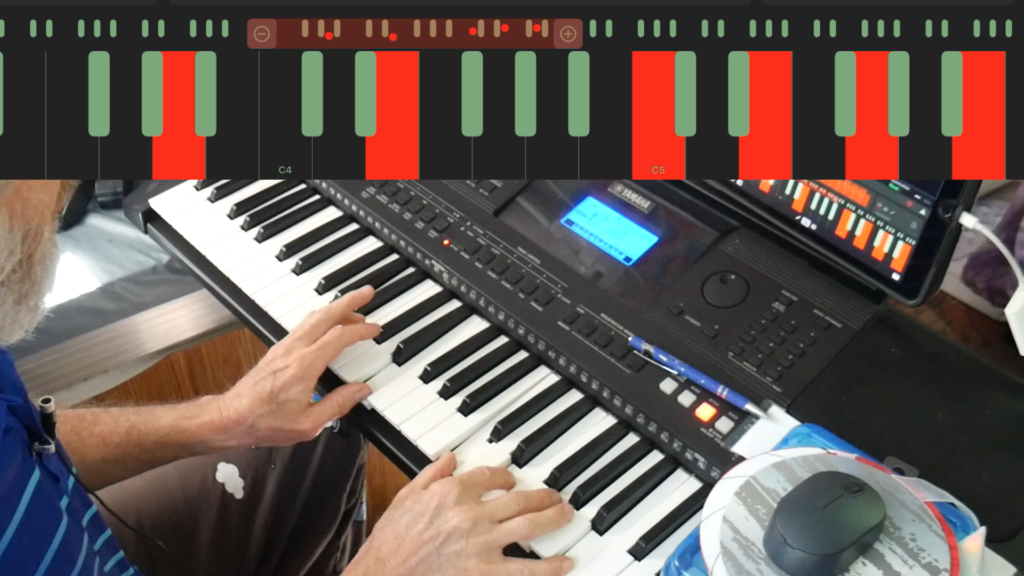
And hey, don’t worry about getting lost in the maze of notes and patterns. We’ll be like musical explorers, navigating the terrain with curiosity. Who knows what hidden treasures we’ll uncover along the way?
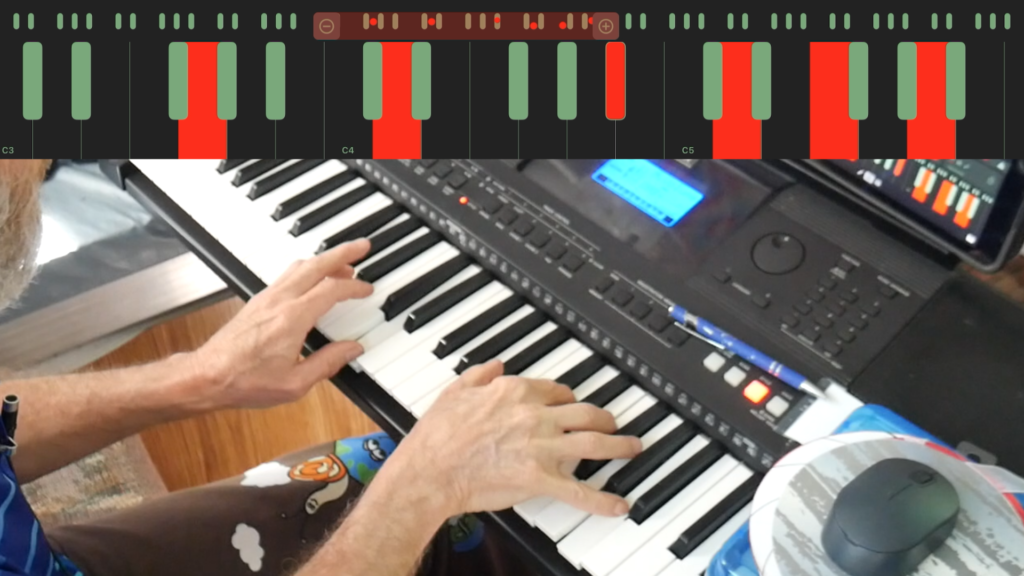
You could even play a plain vanilla G minor chord with this
You can play the notes of each pattern in different combinations to achieve a variety f chord types. Once you learn the chords that apply to one pattern, you can transpose those to any key, or any of the 12 possible chord letters.
So grab your instrument and let’s embark on this delightful journey together. With a bit of practice and a whole lot of fun, you’ll be playing harmonious melodies that’ll bring joy to anyone who listens. Let’s make some musical magic! 🎶✨